Black Cat and Fish Hook SVG
A Designer’s First Look: Whimsy with Purpose
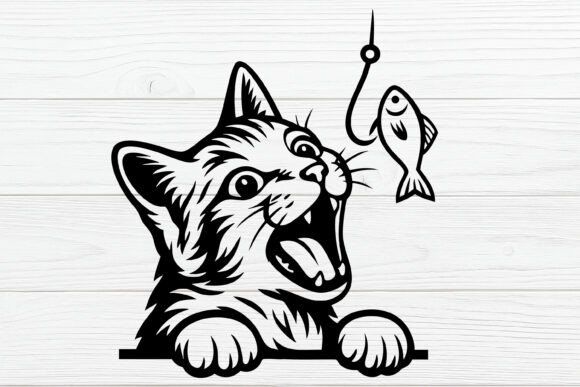
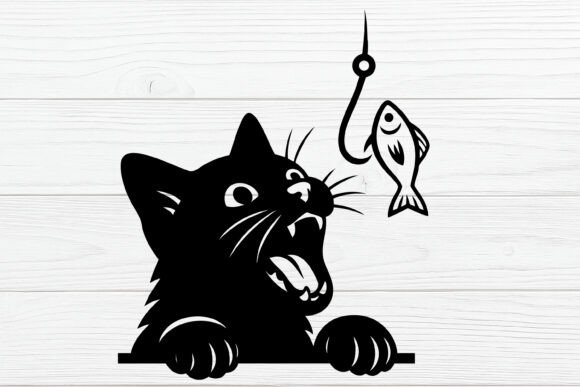
When I opened the Black Cat and Fish Hook SVG, my first thought wasn’t “cute” — it was “usable.” As someone who’s stitched hundreds of custom pieces for Etsy shops, boutique baby lines, and local craft fairs, I scan designs for rhythm, balance, and stitch-readiness before anything else. This one lands cleanly: a sleek cat silhouette leaning into a subtle fish hook curve — not literal, not forced, but quietly clever. It’s an Illustrations-grade graphic that leans into suggestion rather than clutter. No whiskers to vanish in fill stitch, no tiny eyes to blur under satin stitch, no overlapping lines that’ll trap thread or confuse the machine. That matters — especially when you’re prepping a batch of embroidered tote bags for a small shop launch.
Where It Shines: Real Projects, Real Fabric
I tested the Black Cat and Fish Hook SVG across three real-world uses: a medium-weight cotton canvas tote, a 100% cotton baby onesie (size 6–12 months), and a linen tea towel for a holiday kitchen set. On the tote? Crisp, confident, and instantly recognizable at 3.5 inches wide — perfect for a boutique product where charm meets clarity. On the onesie? It held up beautifully with light stabilizer and reduced density — the clean outline translated directly into soft, safe embroidery for delicate baby wear. And on the tea towel? The design’s open negative space let the linen texture breathe, avoiding that “plastic overlay” look some dense graphics create.
This isn’t just another cat clipart pack. It’s a Graphics asset built for translation — from vector line to stitched thread — without losing its personality. I’ve seen dozens of cat silhouettes drown in over-detail or collapse on stretchy fabric. This one doesn’t. Its weight distribution feels intentional: slightly heavier at the tail base, tapering toward the hook tip. That subtle asymmetry gives movement — and makes it far more engaging on apparel like sweatshirts or aprons than symmetrical, static silhouettes.
Where to Pause — Not Problems, Just Practicalities
That said, every machine embroidery design has boundaries — and knowing them saves time, thread, and client trust. The Black Cat and Fish Hook SVG works best above 2.75 inches in width. Below that, the hook’s curve starts to compress, risking stitch overlap or loss of definition in the inner bend. So for caps or tiny patches? Scale carefully — or treat it as a focal-point design, not a filler motif.
It also prefers stable, low-stretch fabrics. On a lightweight jersey t-shirt, I added tear-away + cutaway hybrid stabilizer and slowed the machine speed by 15%. On dark fabric, I used bright white or metallic silver thread — the contrast lifted the entire finished product from “nice” to “noticeable.” And while it’s fine for holiday embroidery or wedding gifts (think monogrammed pillow covers or linen napkins), avoid pairing it with highly textured surfaces like bouclé or thick terry unless you’re willing to adjust stitch length manually.
Why Customers Notice — and Remember — This Design
As an embroidery designer and small business owner myself, I pay attention to what makes a handmade product feel intentional. The Black Cat and Fish Hook SVG reads as thoughtful, not generic. It hints at curiosity, quiet confidence, even a little mischief — without needing text or extra elements. That nuance builds brand consistency for craft businesses: whether you’re selling personalized gifts on Etsy or building a local boutique line, this design says “curated,” not “clipart.”
It also scales well into digital assets. I used the included PNG and SVG files to build printable mockups for client approvals — clean edges, no anti-aliasing bleed — and layered it into sublimation previews for blended apparel projects. That versatility strengthens buyer engagement: customers see how it’ll look *before* stitching begins, which reduces revisions and increases perceived professionalism.
Practical Notes Every Embroidery Designer Should Run Through
- Always test first — run the embroidery file on scrap fabric matching your final project’s weight and stretch.
- Check thread color contrast — especially on dark or busy backgrounds. What reads clearly on screen may disappear mid-stitch.
- Review stitch density — if using for baby embroidery or lightweight textiles, reduce fill density by 10–15% to keep it soft and breathable.
- Confirm hoop size — the design fits comfortably in a 4×4 hoop, but verify your machine’s max area before digitizing adjustments.
- Inspect small details — zoom into the hook’s inner curve in your embroidery software. If points are too tight, a slight smoothing pass helps.
- Test black-and-white mockups — this design’s strength is in silhouette, so grayscale previews reveal clarity issues fast.
- Use proper stabilizer — medium-weight cutaway for knits, tear-away for stable wovens, and always match stabilizer weight to fabric.
- Verify licensing — since this is marketed as a digital embroidery file for Cricut and sublimation use, confirm commercial rights before selling finished embroidered items or bundling it into digital product kits.
Final Thought: A Quietly Confident Design Choice
The Black Cat and Fish Hook SVG won’t shout. But it doesn’t need to. In a market flooded with overdesigned, overcomplicated motifs, its restraint is its strength. It works for the craft fair vendor stitching 20 tote bags before Saturday morning, the Etsy seller building a cohesive nursery decor line, and the apparel decorator adding subtle character to a small-batch sweatshirt run. It’s not flashy — it’s reliable. Not trendy — it’s timeless enough for holiday embroidery this year and next. And most importantly: it stitches cleanly, presents beautifully, and feels like a choice — not just a download. That’s the kind of design assets that build repeat customers, not one-off sales.