Cat SVG: Cute & Boho Embroidery Design Review
As a designer who’s stitched hundreds of custom pieces—from boutique baby onesies to Etsy best-selling tote bags—I opened Cat Svg, Cute Cat Svg, Cat Boho expecting charm, but I needed to know: does it translate cleanly from screen to stitch? I tested it on a linen-cotton tea towel (a favorite for small shop merchandise), then scaled it for a lightweight unisex sweatshirt. Here’s what actually matters when you’re committing thread, time, and reputation to a design.
First Impression: Whimsy with Quiet Confidence
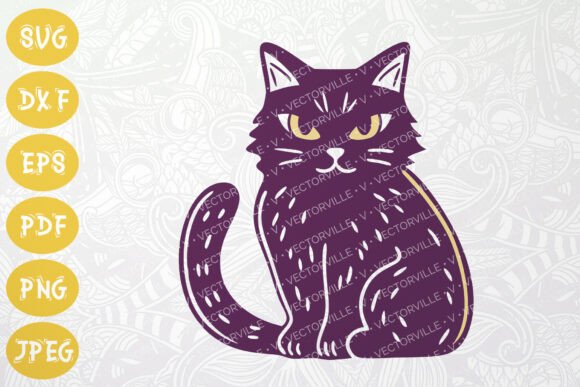
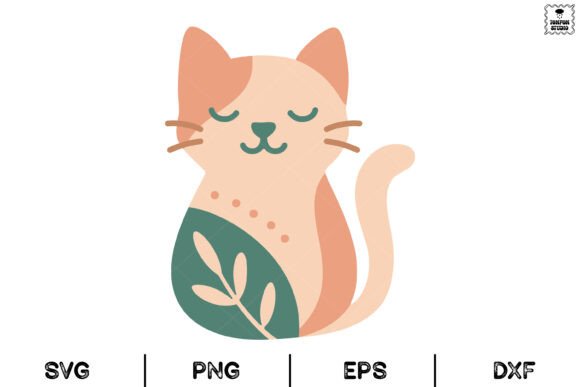
The Cat Svg, Cute Cat Svg, Cat Boho design lands softly—not loud or cartoonish, but gently expressive. Think rounded ears, a subtle boho swirl in the tail, minimal facial detail (just two soft eyes and a tiny curved line for the mouth). It’s not fussy. That’s a win. In embroidery, simplicity often means better stitch definition, especially at smaller sizes. The silhouette reads clearly even as a 2.5-inch motif—ideal for pillow covers, cap fronts, or embroidered patches meant to be seen, not scrutinized.
Where It Shines in Real Projects
- Personalized gifts: Stitched on a cream-colored baby blanket, the design felt tender and intentional—not generic. Customers notice that difference in handmade presentation.
- Tote bag design: At 4 inches wide on natural canvas, the boho flow translated beautifully. No stitch crowding in the tail curve; the satin stitch edges stayed crisp.
- Sweatshirt embroidery: Paired with medium-weight tear-away stabilizer, it held up across the slight stretch of fleece-backed fabric. No puckering, no distortion.
- Holiday embroidery: Used on a set of kitchen towels for a “Meow-ry Christmas” gift bundle—it added warmth without kitsch. Fits right into nursery decor or cozy boutique branding.
- Digital embroidery file utility: As an Illustrations asset, the SVG and EPS10 files scaled cleanly for printable mockups—critical if you’re listing on Etsy or building a small shop product catalog.
Where to Pause—and Test First
This isn’t a one-size-fits-all machine embroidery design. Its gentle curves and open negative space work best when respected, not forced.
- Small hoop sizes (under 3"): The tail curl and ear details may compress or lose clarity. Always check how the fill stitch behaves in tight corners before committing to a child’s cap or baby onesie.
- Textured fabrics (like terry cloth or bouclé): The low-detail face can blur. Use a light cut-away stabilizer and reduce stitch density slightly if your software allows.
- Thin or stretchy fabric (rayon blends, lightweight knits): Not ideal for direct stitching without backing. Consider turning it into an applique design instead—cut the shape, fuse, then outline with satin stitch.
- Dark fabric: The design relies on shape over contrast. Test thread colors carefully—cream or oatmeal thread on navy reads softer than expected. A charcoal gray thread gave richer definition.
- Curved surfaces (baseball caps, curved pillow seams): The clean silhouette helps, but always do a test run on scrap with the same curvature. Avoid placing the tail directly over a seam ridge.
What It Adds to Your Craft Business
Cat Svg, Cute Cat Svg, Cat Boho doesn’t shout—it invites. That quiet confidence lifts the perceived value of your finished product. On an Etsy listing, it supports storytelling: “Hand-embroidered boho cat tea towel, made with slow-stitch care.” Buyers connect with intention, not just cuteness. For small shop owners, it layers well with other neutral, nature-adjacent motifs—think tiny moons, sage leaves, or minimalist suns—keeping brand consistency across collections.
It also builds customer trust. Because it’s not overloaded with detail, it stitches reliably across machines and skill levels. Fewer restarts mean fewer frustrated clients—and fewer 2 a.m. re-hooping sessions for you.
Practical Designer Notes Before You Stitch
- Test the design on scrap fabric *first*—especially if using it for commercial embroidery or client work.
- Check thread color contrast on both light and dark fabric backgrounds. What looks balanced on screen may vanish on black cotton.
- Review stitch density in your embroidery software. If it feels heavy for delicate items (like baby embroidery), adjust underlay or reduce fill stitch count.
- Confirm hoop size compatibility. This is a Graphics-class design—not built for micro-embroidery, so avoid shrinking below 2 inches without testing.
- Inspect small details like ear tips and tail ends in your software preview. Zoom in. If they look pixelated or jagged there, they’ll stitch poorly.
- Try a black-and-white mockup. Does the shape still read as “cat”? That’s your clarity check.
- Use proper stabilizer for your fabric type—no shortcuts on sweatshirt embroidery or textured tea towels.
- Verify licensing terms before selling finished items or digital products. The description says “U S E you are more than welcome to use this file”—but confirm scope (personal vs. commercial) with the seller if unclear.
Final Thought: A Thoughtful Tool, Not Just a Trend
Cat Svg, Cute Cat Svg, Cat Boho won’t dominate your portfolio—but it might become your most-requested motif for personalized gifts and small-batch merchandise. It works because it’s designed with restraint, not excess. In a world of oversaturated digital embroidery files, that kind of thoughtful simplicity is rare. It gives your handmade product breathing room. Lets the craft shine—not just the cat.
If you’re an Etsy seller building a cohesive seasonal collection, a craft fair vendor curating cozy home goods, or a custom apparel decorator adding warmth to everyday wear—this design earns its place. Just remember: respect its rhythm, test with intention, and let the boho calm speak for itself.