Jumping Cat SVG: A Designer’s Real-World Embroidery Review
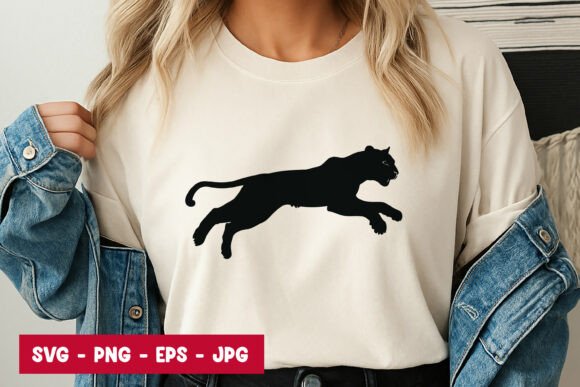
Let’s be honest—I opened Jumping Cat SVG expecting playful energy, not a stitchable surprise. As someone who’s digitized, tested, and shipped hundreds of embroidery files for small shops and Etsy sellers, I judged this one the second it loaded in my software: clean vector lines, confident negative space, and that rare balance—whimsy without clutter. It’s not just a cat mid-leap; it’s a design that *breathes* on fabric.
First Impressions: Charm That Translates to Thread
The silhouette is bold but not bulky—curved back, lifted paws, tail arcing like a soft question mark. No tiny whiskers or pupil details to vanish under satin stitch. That’s intentional restraint, not oversimplification. For embroidery designers, that means fewer thread breaks, smoother satin edges, and faster sew-outs. I immediately pictured it stitched on a natural canvas tote bag for a local pet boutique: friendly, legible at 3.5 inches wide, and unmistakably handmade—not clip-art.
Where Jumping Cat SVG Shines (and Where It Needs Guardrails)
This isn’t a one-size-fits-all embroidery file—and that’s its strength. It thrives where personality meets practicality:
- Custom apparel: Works beautifully on crewneck sweatshirts (medium-weight fleece holds the shape), cotton tees (use light tear-away stabilizer), and even denim jackets—just avoid stitching over thick seams or pockets.
- Baby embroidery: The rounded forms and open interior make it ideal for onesies and burp cloths. No sharp corners to irritate sensitive skin, and the scale reads clearly even at 2.75 inches.
- Embroidered patch: Clean outer edge = easy cut-and-sew. I’d add a simple running-stitch border in matching thread for durability—no need for complex applique layers.
- Holiday embroidery & personalized gifts: Pair it with a simple “Meow-mas” or “Purrfect Day” script (separately digitized) for holiday tea towels or pillow covers. Its lighthearted vibe lifts seasonal items without competing with tradition.
- Craft business & Etsy listings: As a digital embroidery file, it’s versatile enough for mockups—try it on a neutral linen apron or a charcoal grey cap in your shop photos. Customers respond to designs that feel intentional, not generic.
But let’s talk caution zones. Jumping Cat SVG doesn’t love tight spaces or tricky textures:
- Avoid hoops smaller than 4”x4”—the leap arc needs breathing room. On caps or curved surfaces, test placement first; the tail curve can distort if hooped too aggressively.
- Thin or stretchy fabrics (like jersey or rayon blends) need extra stabilization—floating tear-away + light cut-away underneath keeps the shape from pulling.
- Dark fabric? Great contrast—but check fill stitch density in your embroidery software. Some versions of this file may layer dense fills that trap heat or cause puckering. Always run a test on scrap first.
- Don’t force it into tiny corners or layered garments (e.g., hood lining). Its charm lives in clarity—not compression.
What It Does for Your Finished Product (Beyond the Stitch)
As a designer, I don’t just ask “Will it sew?”—I ask “Will it *sell*?” Here’s what Jumping Cat SVG delivers:
- Visual appeal: It reads instantly—no squinting, no decoding. That matters for boutique signage, craft fair tags, or Instagram thumbnails.
- Handmade presentation: The clean lines translate to crisp satin stitches, reinforcing quality—not “machine-made,” but “thoughtfully made.”
- Brand consistency: Whether you’re building a pet-themed line or adding levity to nursery decor, it fits without shouting. It’s a supporting character, not the whole cast.
- Giftability: People buy embroidered cat art because it feels personal. This design avoids cliché—it’s joyful, not cutesy—so it lands with adults and kids alike.
- Buyer engagement: On Etsy or at a local market, customers pause longer for designs with rhythm and balance. That leap has momentum—you feel it before you read the label.
Practical Notes Every Embroidery Designer Should Run Through
Before you load Jumping Cat SVG into your machine or list it as part of a digital bundle, do these six things:
- Test on scrap fabric—same weight and weave as your final project. Watch how the curves hold up, especially the tail tip and paw pads.
- Check thread color contrast in both light and dark mockups. A warm terracotta works on cream linen; navy pops on heather grey—but avoid near-black-on-black unless you’re using metallic or textured thread.
- Review stitch density in your embroidery software. If fill areas look overly dense (especially the body), reduce density by 5–8% for breathable wearables.
- Confirm hoop size compatibility. If you’re selling this as part of a commercial embroidery kit, note minimum hoop requirements—don’t assume every customer has a 5”x7”.
- Inspect small details at actual stitch size. Zoom in: are any interior curves too tight for your machine’s minimum jump distance?
- Verify licensing. The product description says it’s usable across t-shirts, mugs, paper, fabric, posters, and canvas—but confirm whether resale of finished embroidered items or redistribution of the digital file is permitted. When in doubt, contact the seller.
One last note: Jumping Cat SVG isn’t built for photorealism or intricate shading. It’s built for joy, speed, and repeat use. That makes it perfect for small shop owners juggling orders, hobbyists stitching gifts between meetings, and Etsy sellers who need reliable, expressive design assets—without the headache of re-digitizing or troubleshooting.
If you’re choosing between this and a busier, more detailed cat illustration—choose Jumping Cat SVG. Not because it’s simpler, but because it’s smarter. It knows when to leap—and when to land cleanly.