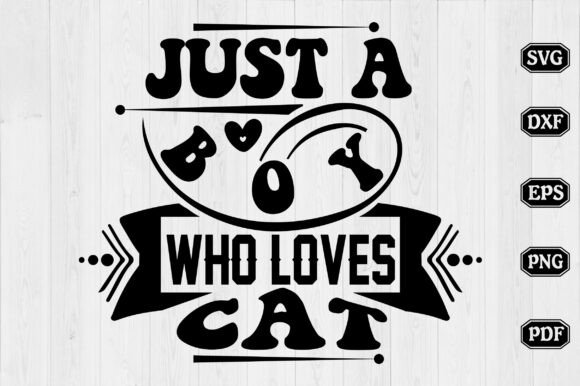
Just a Boy Who Loves Cat SVG Design
A Designer’s First Look: Charm Without Clutter
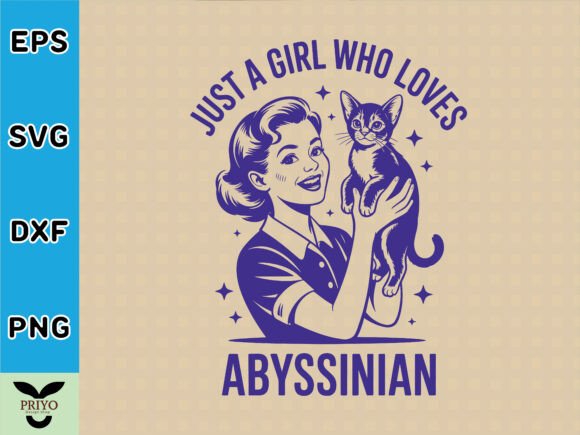
Opening Just a Boy Who Loves Cat Svg Design, I immediately notice its gentle, hand-drawn personality — not overly polished, but full of warmth and intention. It’s a simple silhouette-based graphic: a boy in profile, arms cradling a round-faced cat, with soft curved lines and minimal internal detail. No heavy outlines or aggressive angles. That’s promising. For embroidery, especially on items like baby onesies, nursery pillows, or lightweight tote bags, this kind of visual restraint translates well to stitch — fewer dense fill areas, cleaner satin stitch transitions, and breathing room for fabric texture to show through.
Real Project Test: A Personalized Embroidered Tote for a Cat-Loving Teacher
I recently used Just a Boy Who Loves Cat Svg Design on a natural canvas tote for a local elementary teacher who’d mentioned her son’s obsession with cats during a custom order consultation. The design scaled cleanly to 4.2” wide — comfortably within standard 5x7 hoops — and stitched out smoothly on medium-weight cotton duck with tear-away stabilizer. The boy’s outline held crispness; the cat’s rounded body read clearly even at that size. Customers don’t just buy graphics — they buy *recognition*. And this one landed: the teacher sent a photo of her son grinning beside the bag, pointing at the cat. That’s the quiet power of a well-judged T-Shirt Designs asset repurposed thoughtfully for embroidery.
Where It Shines (and Where It Needs Care)
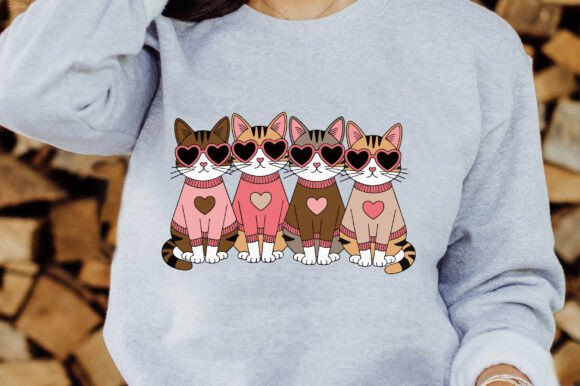
- Custom apparel: Works beautifully on crewneck sweatshirts (front chest placement), relaxed-fit tees, and lightweight aprons — especially when paired with muted thread colors like heather gray, oatmeal, or dusty blue.
- Baby embroidery & nursery decor: Its soft proportions and non-gendered charm make it ideal for onesies, burp cloths, and pillow covers. Just avoid ultra-fine knit fabrics without proper cut-away stabilizer — the open negative space between boy and cat can distort if the base fabric shifts.
- Embroidered patch potential: With minor vector cleanup (smoothing jagged anchor points, checking line weight consistency), this could become a clean iron-on or sew-on patch — great for Etsy sellers bundling “cat parent” kits.
- Holiday or gift embroidery: Think small hoop projects — tea towels for cat-loving aunties, linen pouches for birthday gifts, or even subtle corner embroidery on baby blankets. Its quiet tone avoids seasonal cliché while still feeling personal.
Watch These Details Before Stitching
This isn’t a plug-and-play machine embroidery design — it’s a Graphics-first SVG, so your embroidery software does the heavy lifting. That means you’ll need to assess stitch density manually. The boy’s hairline and the cat’s ear tips are delicate; too much fill stitch there risks puffing or thread breakage. I recommend converting those elements to running stitch or light satin stitch with reduced density (under 10% fill). Also: test on scrap fabric first — especially if using dark fabric. The design’s openness relies on contrast, and black thread on navy cotton can mute the shape unless you add a white underlay.
Commercial Use Reality Check for Craft Businesses
If you’re an Etsy seller or small shop owner listing embroidered products, Just a Boy Who Loves Cat Svg Design offers real versatility — but only if you’ve confirmed licensing terms. The product description says “digital download only,” but doesn’t specify commercial rights. Before uploading finished tote bags or baby sets to your shop, verify whether resale of physical items is permitted. Likewise, if you plan to offer this as part of a digital embroidery bundle, double-check whether redistribution of the SVG file itself is allowed. Ambiguity here can risk takedowns or trust erosion with buyers expecting clear usage rules.
Design Assets That Build Trust
Customers notice when handmade products feel intentional — not just “embroidered,” but *considered*. This design supports that. Its simplicity avoids visual noise, letting the craftsmanship (thread sheen, stabilizer finish, precise hooping) take center stage. On a boutique shelf, it reads as thoughtful — not generic. That perception directly affects perceived value, repeat orders, and word-of-mouth referrals. A poorly digitized or overcrowded cat graphic might look cute in a mockup but fall flat after washing; Just a Boy Who Loves Cat Svg Design has the structural clarity to hold up across multiple wash cycles — assuming appropriate thread and stabilizer choices.
Practical Notes Every Embroidery Designer Should Run Through
- Test the design on scrap fabric matching your final project’s weight and stretch — especially important for curved surfaces like caps or sleeves.
- Check how small details render in both black and white thread on light/dark backgrounds using a printable mockup.
- Review stitch density in embroidery software — reduce fill in fine areas, add underlay where needed for stability on textured fabrics.
- Confirm hoop size compatibility before prepping production runs — don’t assume it fits your smallest hoop without measuring.
- Use appropriate stabilizer: tear-away for stable wovens, cut-away for knits, and water-soluble for sheer or delicate layers.
- Compare thread color contrast early — soft pastels may disappear on ecru linen unless you boost saturation or add outline stitching.
- Ask yourself: does this support my brand voice? If your shop leans minimalist, modern, or nature-inspired, yes. If it’s bold, maximalist, or highly detailed, this may sit quietly — which is fine, but worth acknowledging.
Final Thought: A Quiet Anchor in a Busy Creative Practice
Just a Boy Who Loves Cat Svg Design won’t shout from a craft fair table — and that’s its strength. It’s a reliable, emotionally resonant anchor for projects where sincerity matters more than spectacle: personalized baby gifts, teacher appreciation items, small-batch boutique merchandise, or heartfelt holiday stitching. As a designer and reviewer, I keep it in my go-to folder for moments when clients ask for something “sweet but not cutesy,” “personal but not precious.” It’s proof that restraint — in line, in detail, in theme — often delivers the most lasting impression in handmade product work.