Playful Black and White Cat SVG Vector
A Designer’s First Glance: Charm Without Clutter
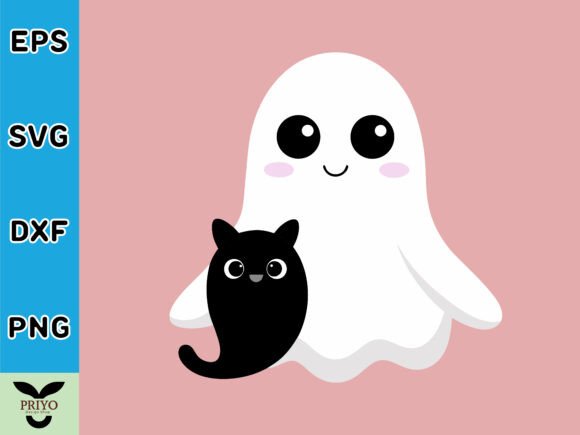
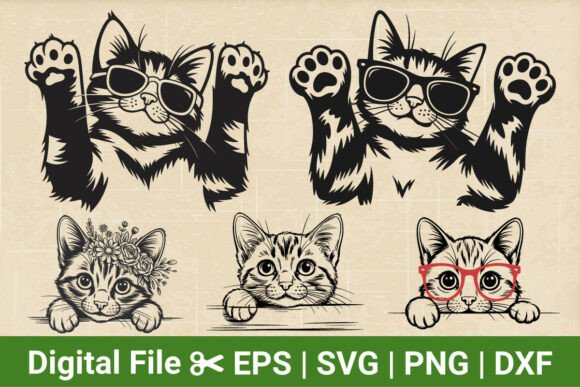
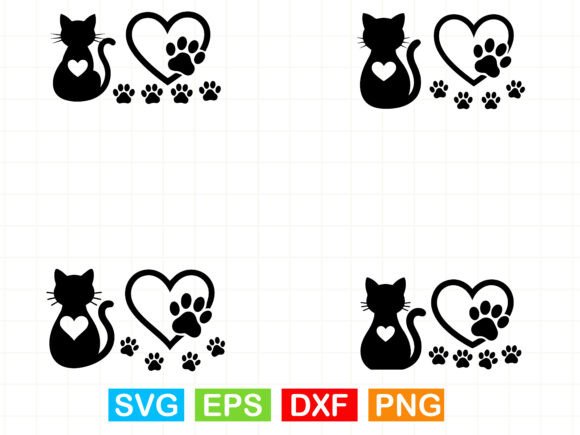
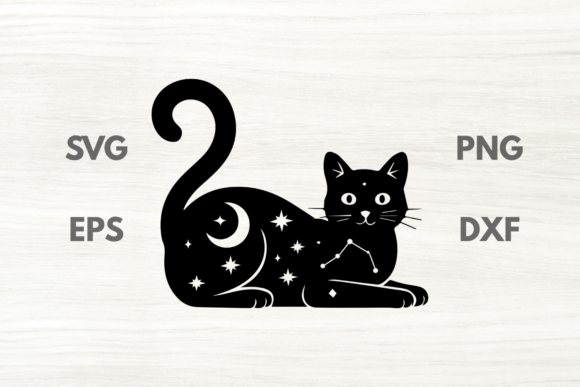
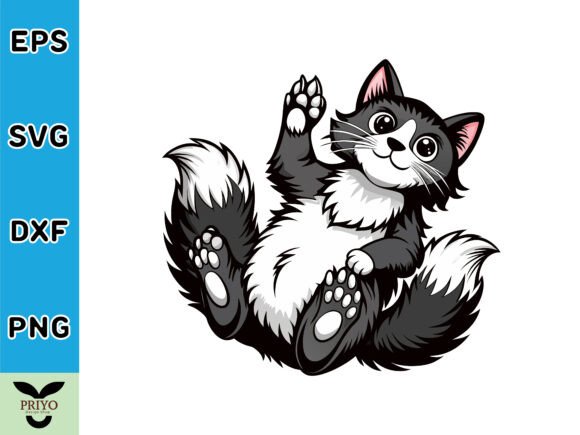
The Playful Black and White Cat SVG Vector lands with quiet confidence—not loud, not fussy, but instantly legible. As an embroidery designer who’s stitched hundreds of animal motifs, I appreciate how its silhouette balances simplicity and personality: rounded ears, a slight tilt to the head, one paw lifted mid-step. It reads as friendly, curious, and timeless—never cutesy or dated. That’s critical when you’re building repeatable design assets for a craft business or Etsy shop. This isn’t a trend-chasing graphic; it’s a foundational Illustrations piece that works across seasons, genders, and age groups—from baby onesies to boutique aprons.
Real Project Test: Embroidering It on a Linen Kitchen Towel
Last week, I prepped a small-batch run of embroidered tea towels for a local kitchen goods pop-up. I chose the Playful Black and White Cat SVG Vector because it promised clarity at 3.5 inches wide—the size I needed to fit neatly in the lower corner without overwhelming the fabric’s natural texture. On screen, it looked clean. In stitch? Even better. The vector’s clean outlines translated smoothly into satin-stitched edges and open fill areas—no jagged transitions or unintended gaps. Customers paused at the booth not just because of the linen, but because the cat felt *alive*: expressive, balanced, and undeniably handmade in spirit—even though it was machine-embroidered.
Where It Shines (and Where It Asks for Thought)
This Graphics file excels in projects where charm meets wearability:
- Custom apparel: Works beautifully on crewneck sweatshirts—especially with tonal black thread on charcoal heather, or crisp white thread on navy.
- Embroidered patch: Clean lines hold up well when cut and heat-applied to denim jackets or backpacks.
- Baby embroidery: Its gentle curves and absence of fine interior detail make it forgiving on soft cotton interlock—no skipped stitches or puckering if stabilizer is applied evenly.
- Holiday embroidery: Pair it with minimalist red or green thread for stockings or ornaments—its monochrome base keeps it versatile year-round.
- Tote bag design: At 4–5 inches wide, it anchors canvas or heavy cotton without looking cramped or pixelated.
But—and this matters for anyone running a craft business—don’t assume it’s plug-and-play everywhere. Use caution on:
- Curved surfaces like caps: The cat’s upright posture and centered weight can distort slightly near the crown seam. Test with a low-density fill stitch and minimal underlay.
- Stretchy fabric: Knits need extra cutaway stabilizer beneath and possibly reduced stitch density to prevent tunneling.
- Thin or sheer fabrics: Backing shows through easily—consider a lightweight tear-away + wash-away combo, especially for baby swaddles or pillow covers.
- Dense decorative accents: Avoid layering it over heavy bullion or French knots; its strength is in its clarity, not complexity.
What It Adds to Your Finished Product—Beyond Stitching
A good machine embroidery design doesn’t just translate visually—it elevates perception. This cat does exactly that. On a personalized gift, it signals care and intention—not mass production. On an Etsy listing, it boosts buyer engagement: shoppers linger longer on mockups showing it stitched cleanly on oatmeal linen or soft grey fleece. It supports brand consistency too—if your shop leans into modern-minimalist nursery decor or slow-living kitchen goods, this embroidery file fits right in, no rebranding needed.
And yes, customers notice subtlety. One buyer messaged me about her embroidered sweatshirt: “It doesn’t look ‘designed’—it looks like someone drew it just for me.” That’s the quiet power of smart negative space and intentional line weight—the hallmarks of the Playful Black and White Cat SVG Vector.
Practical Notes Every Embroidery Designer Should Run Through
Before cutting fabric or uploading to your machine:
- Test on scrap first—especially if using textured fabric like terry cloth or bouclé.
- Check thread color contrast on both light and dark backgrounds. Black thread on ivory linen? Yes. White thread on pale grey? Possibly too low-contrast—try ecru instead.
- Review stitch density. If your version includes dense fill areas, consider reducing density by 10–15% for breathable fabrics like cotton poplin.
- Confirm hoop size compatibility. This design scales well—but avoid shrinking below 2.25 inches unless you’ve verified small details (like the inner ear curve) remain stitchable.
- Inspect corners and curves. Vectors don’t always convert cleanly to embroidery paths—zoom in on your software to ensure no tiny loops or overlaps.
- Use proper stabilizer. Medium-weight cutaway for stable wovens; lightweight tear-away for quilting cotton; fusible for lightweight knits.
- Verify licensing before selling finished items or bundling the digital embroidery file with other design assets. Since the listing notes versatility for prints, mugs, and posters, confirm whether commercial use extends to physical embroidered products.
Final Thought: A Reliable Workhorse, Not Just a Pretty Face
The Playful Black and White Cat SVG Vector won’t go viral overnight—and it shouldn’t have to. It’s the kind of embroidery project asset that builds trust over time: consistent in execution, adaptable across mediums, and quietly joyful in effect. Whether you’re an Etsy seller launching your first line of embroidered baby blankets, a small shop owner refreshing seasonal merchandise, or a hobbyist stitching heartfelt gifts, this design earns its place in your library—not because it shouts, but because it delivers.
It reminds us that great design assets aren’t measured in flash, but in function, flexibility, and the quiet confidence they give you before the needle drops.